If you have ever thought, “The lake looks perfect, why are the bass not biting?” water temperature is usually the missing piece.
On Lake Blackshear, temperature does not just change comfort. It changes where bass live in the water column, how far they are willing to chase, and which parts of the lake turn on at specific times of day.
This guide keeps it practical. You will get temperature checkpoints you can use on the water, plus the Georgia rules that matter for a Lake Blackshear bass fishing trip.
If you are also planning around seasonal patterns, see what is the best month for largemouth bass fishing in Lake Blackshear?
First, a quick rule check (Georgia, Lake Blackshear)
- Largemouth bass minimum length at Lake Blackshear: 14 inches. For anglers keeping fish, it also helps to review What is the Size Limit for Bass in Lake Blackshear?
- Daily limit for black bass in Georgia: 10 total, with a note that only 5 of that total may be certain species like shoal bass (and other listed black bass).
- Shoal bass special rule nearby: On the Flint River downstream of Warwick Dam (Lake Blackshear area), shoal bass between 15 and 20 inches must be released immediately.
- When you hit a daily limit: Georgia rules note it is unlawful to keep fishing for that species after reaching your daily limit.
- License reminder: Anglers age 16 and older must have a current Georgia fishing license while fishing in fresh or salt water in Georgia.
Why water temperature changes bass behavior so much
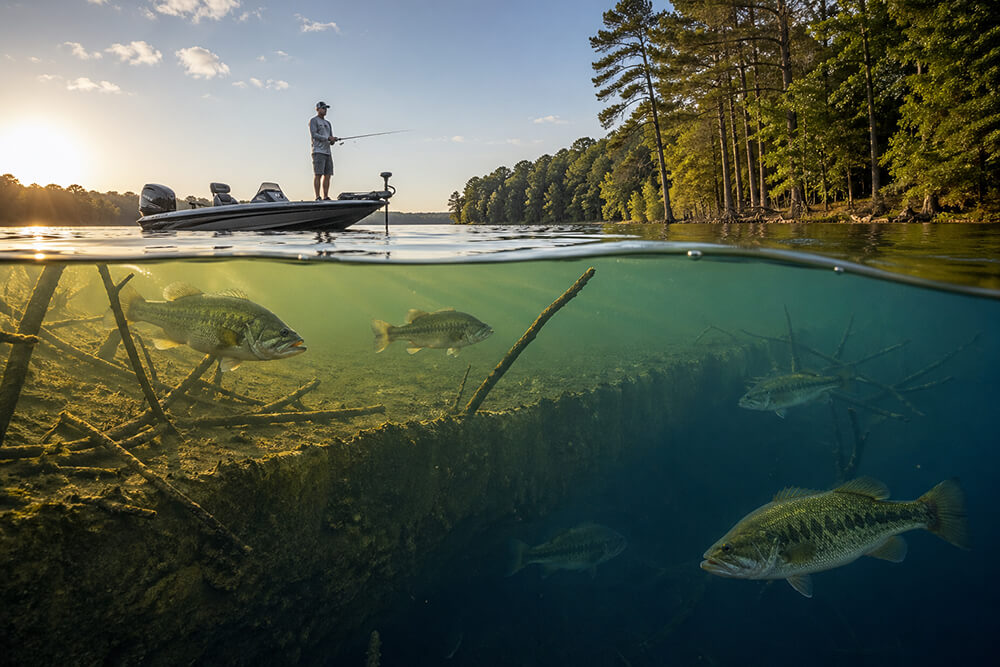
When water warms, bass can digest faster and feed more often. When it cools, they still eat, but they usually prefer easier meals.
Temperature also affects oxygen and comfort zones, especially in summer when bass often choose areas that let them feed without stressing.
Temperature checkpoints you can actually use on the lake
Below about 55°F: slow and close to comfort
You will do better by slowing down, fishing tighter to cover, and working areas that warm first, like darker bottoms and protected water.
On-the-water clue: You get bites that feel “heavy” rather than aggressive.
About 55–60°F: movement starts and the lake “wakes up”
Bass begin transitioning toward shallower areas, especially where they can slide between deeper water and a flat without traveling far.
If you are getting short strikes, it often means your speed is a little too fast for that day.
Above about 60°F: shallow activity increases
On Lake Blackshear, this is when many anglers start focusing harder on shallow cover, protected pockets, and areas with decent spawning habitat.
About 70–80°F: early and late become more important
In this range, bass often feed best in low light, then settle into shade or deeper edges once the sun is high. That same timing mindset can help if you are targeting other species too, especially if you are wondering What Is the Best Time to Catch White Bass in Lake Blackshear?
That does not mean you cannot catch them midday. It just means you usually need more precision, like fishing the best shade or the best drop instead of “a pretty bank.”
Above about 80°F: comfort and oxygen start calling the shots
Bass will still eat, but many will position where they can recover easily. Think shade, deeper edges, and current-influenced areas.
Your best adjustment is usually not a new lure. It is a better plan for when and where you fish.
So where should I fish?” Use this simple temperature-to-location map
- Cooler water: tighter to cover, slower, and closer to the areas that warm first
- Warming water: transition routes, staging areas, then shallow pockets
- Hot water: shade, depth changes, and places that feel “alive” (bait, current, wind)
This is also why some anglers catch more fish by fishing fewer spots, but fishing them at the right time.
Common questions anglers ask about temperature on Lake Blackshear
The water warmed up fast. Will bass bite better?”
Your best move is to keep one foot in deeper water. Fish the first good drop or edge near the shallow area you want to target.
Does a cold front shut them down?
After a front, bass often get tighter to cover and prefer slower presentations until the water stabilises again.