Lake Blackshear is the ideal fishing place where an angler can fish for numerous species. These include species such as bass, crappie, catfish, and bream. Knowledge of where and how to fish may make a big difference in your fishing experience.
Introduction
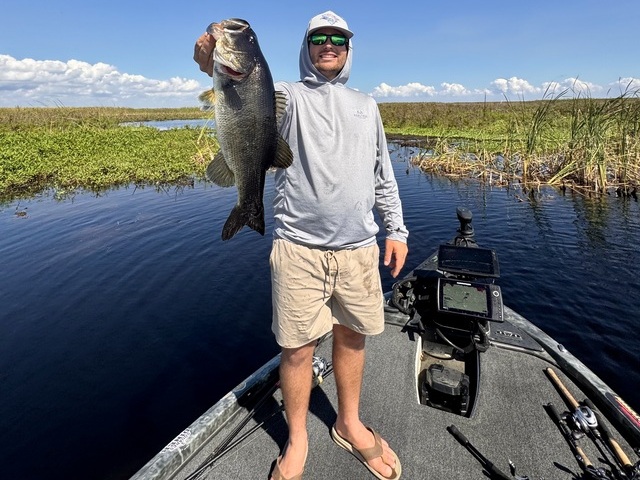
Bass Fishing: Where to Cast Your Line?
- Weed Beds: Bass like to lurk in aquatic vegetation. Terrific fishing can be had by casting near submerged weed beds.
- Rocky Outcrops: Search for rocky places along the shore. These are prime sites where bass cruise.
- Points and Ledges: Bass commonly congregate at points and ledges, particularly in the early morning and late afternoon.
If you’re looking for more specifics on high-performing locations, check out our post on “Where are the Best Fishing spots in Lake Blackshear?” for additional tips.
Best Launch Sites for Guided Trips
- Brush Piles: Crappie are often found in large numbers around brush piles. Identify these structures using a fish finder.
- Docks and Piers: These structures are excellent crappie-catching spots, especially during the spring spawn.
- Shallow Water: Crappie are often found here, feeding during warmer months. They take cover under features like fallen trees or lily pads, so be careful in selecting sites.
For those planning a guided outing, our blog “Planning Your Guided Trip at Lake Blackshear” provides helpful details on booking the right experience and what to expect.
Catfish: How to Catch the Big Ones
- River Channels: Catfish prefer river channels. Get the best action by drift fishing or anchoring for big catches.
- Mud Flats: Catfish are found on mud flats during hot months. Look for areas with slow-moving water.
- Night Fishing: Consider night fishing as an option for catfish. They are more active at night, particularly in warmer seasons.
Bream: The Easy Catch
- Shallow Areas: Bream favor shallow water, where they seek cover near the bank and around debris.
- Insects and Worms: Bream are attracted to live bait like insects and worms (e.g., crickets or earthworms). They are opportunistic feeders.
- Near Structures: Look for underwater structures. Bream enjoy concealing themselves there.
Seasonal Considerations
Familiarize yourself with seasonal variations at Lake Blackshear to improve your chances of success:
- Spring: This is prime time for bass and crappie, as they move to shallow waters to spawn.
- Summer: Catfish are more active at night, while bass and crappie can be found in deeper waters.
- Fall: Fish become more active as temperatures drop. Bream and bass are good targets now.
- Winter: Fishing slows, but deep water can still produce catfish and some bass.
Always check current Georgia DNR regulations for fishing licenses (required for ages 16+), size limits (e.g., 14-inch minimum for largemouth bass, with a special 15–20-inch slot limit on Lake Blackshear requiring release), creel limits (e.g., 10 bass daily combined, 30 crappie, 50 bream/sunfish, no limits for catfish), and consumption advisories due to mercury.
In case you want even more effective approaches, please visit our blog article titled “Essential Fishing Tips for Lake Blackshear.” It contains a lot of useful insights like gear recommendations, local regulations, and so on.
Conclusion
Are you ready to fish at Lake Blackshear? Arrange a guided trip with our Lake Blackshear fishing guides, who are familiar with the lake’s waters. Get your dream fish and have memories that will last a lifetime!